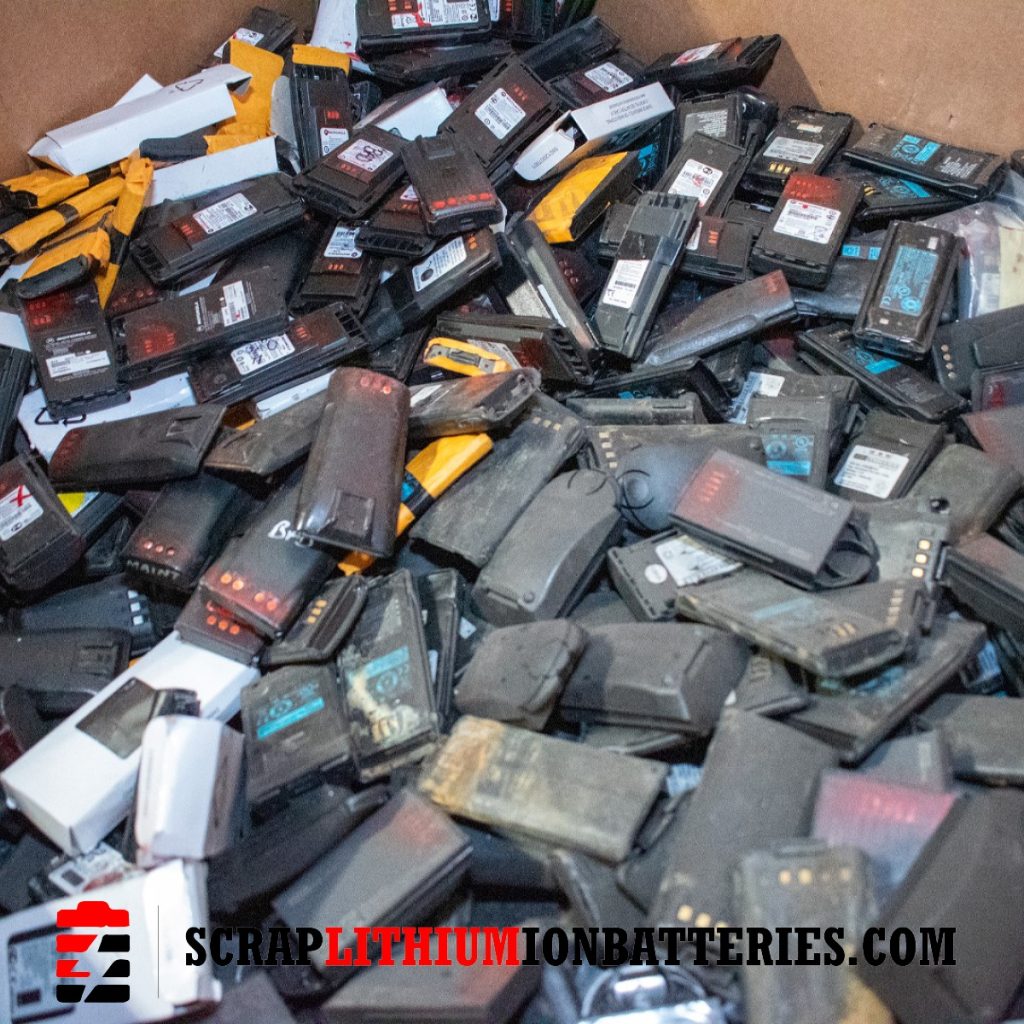
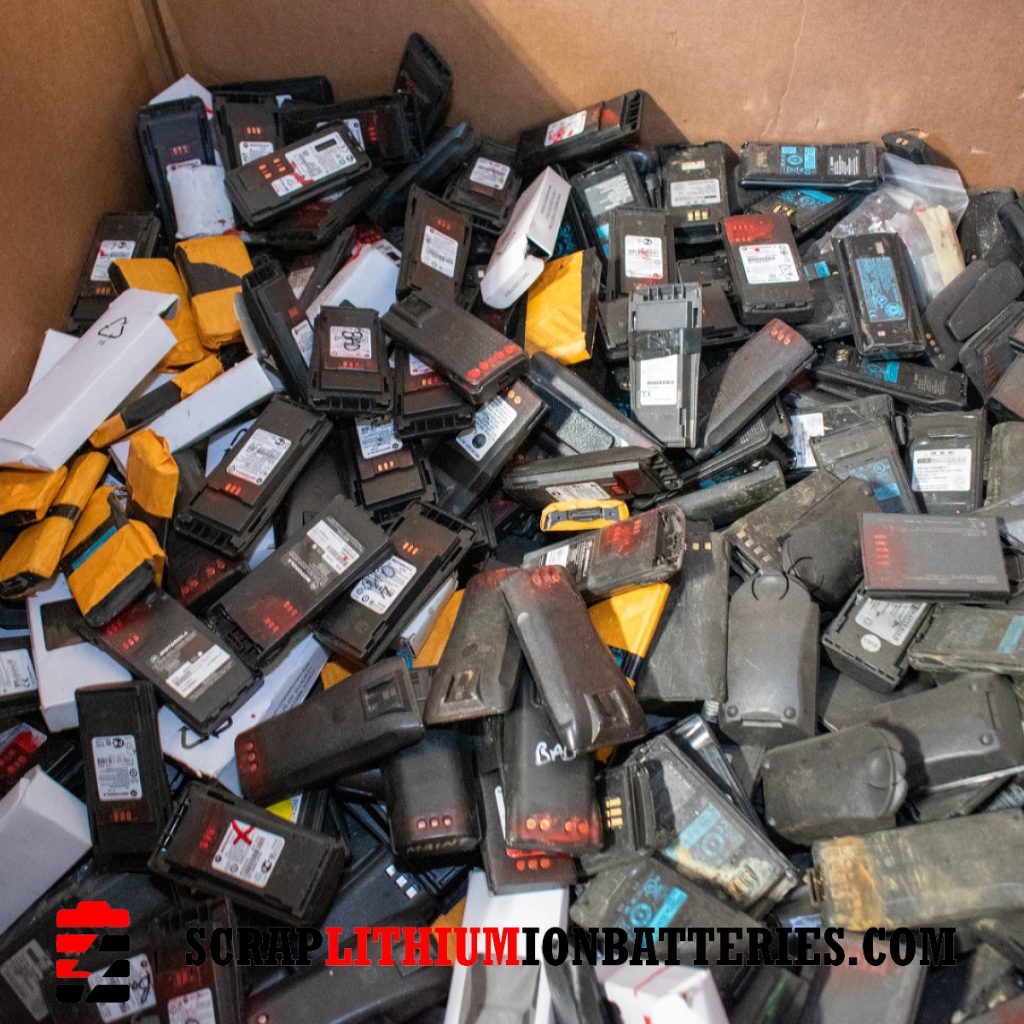
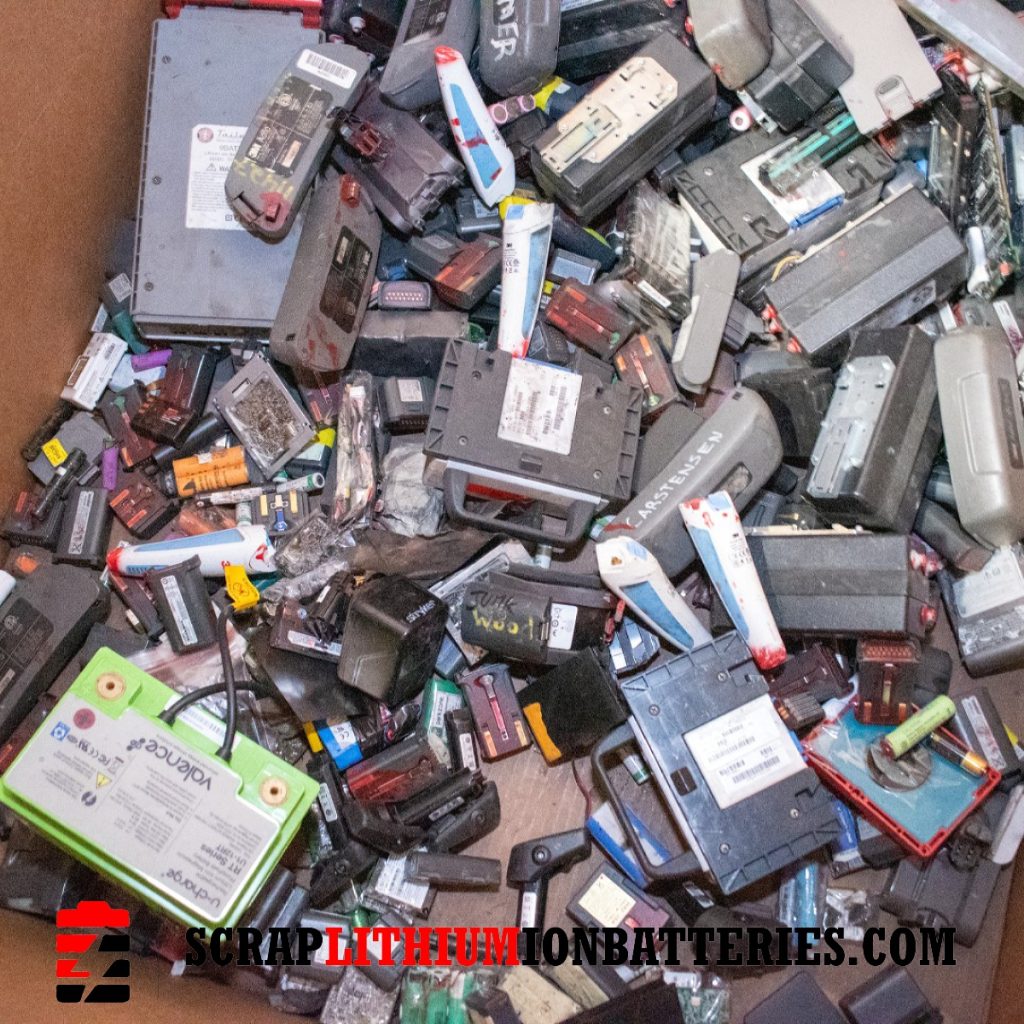
Lithium ion batteries are a type of rechargeable battery. They are the main power sources of things like:
- Electric vehicles
- Solar power storage
- Emergency power backups (UPS)
- Power tools
A couple of metals that make up lithium ion batteries are nickel, cobalt and copper. There are also different types of lithium ion batteries that contain…
- Lithium Cobalt Oxide (LiCoO2)
- Nickel Cobalt Aluminum Oxide (NCA)
- Nickel Manganese Oxide (NMC)
Eventually, lithium ion batteries wear out and must be replaced. This is ordinarily a due to aging, overuse and overcharging. When it comes time to dispose of these, it is important to understand the recycling process.
Recycling of lithium ion batteries consists of:
- First, recycling services purchasing or selling scrap. Thus, they obtain cobalt, nickel and copper.
- Furthermore, recyclers deactivate the batteries. This is a necessary step to accomplish before the recycling process begins.
- Next, the batteries are placed in a special room. Hence, this room is oxygen-free.
- Afterwards, the process of extracting metals from their ores occurs (this is called hydrometallurgy).
- Then, the process of using aqueous solutions to extract metal from other metal bearing material occurs (this is called leaching ).
- Subsequently, the battery components are separated into three different categories. The categories include cobalt, steel and aluminum, copper and plastic.
- Lastly, recycling services sell the recycled materials.
Professionals recycle lithium-ion batteries, reusing valuable materials, reducing landfill waste, preserving natural resources, and minimizing pollution. Additionally, there’s a chance to earn money by selling scrap batteries for recycling. We also sell lithium-ion batteries.
Now that we’ve covered the process, it’s crucial to understand why recycling lithium-ion batteries is so essential.